Managing timberland or operating a forestry business exposes you to risks that standard property and liability policies often don’t cover. While basic forestry insurance provides foundational protection, specialized coverage options allows landowners and forestry professionals to tailor policies to their specific operational realities.
Whether it’s equipment failures during harvest season or the financial strain of replanting after a wildfire, these add-on coverages can become the difference between recovery and financial hardship.
There are several specialized forestry insurance options; this guide offers recommendations on selecting coverages that align with your land use and business operations.
Equipment Breakdown Coverage
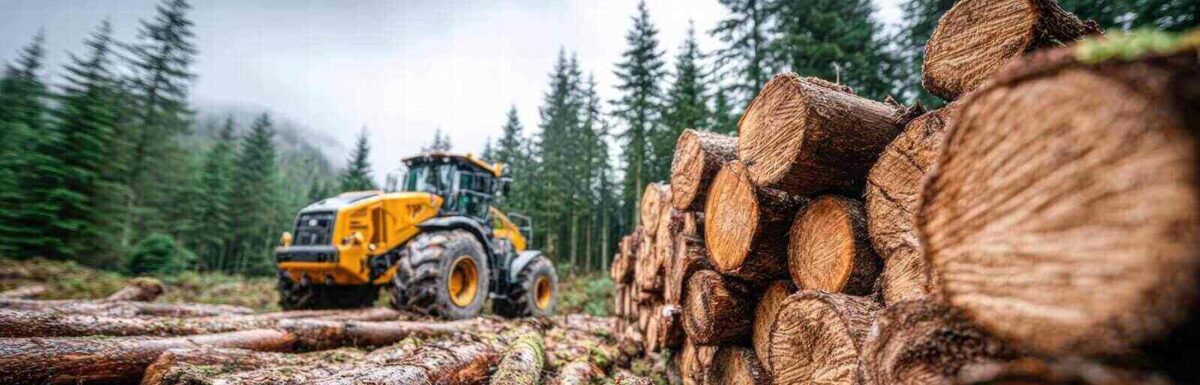
Forestry operations rely heavily on expensive machinery, including feller bunchers, skidders, and chippers. When this equipment malfunctions, repair expenses can reach tens of thousands of dollars and result in production delays lasting weeks. Equipment breakdown coverage goes beyond typical property insurance by including protection against sudden and accidental mechanical or electrical failures.
Equipment purchase prices have changed dramatically in recent decades, as outlined by data from the International Journal of Forest Engineering, increasing the fixed costs incurred by logging businesses. In Georgia, for example, the average investment in equipment for logging businesses grew from $613,000 in 1997 to $2.02 million in 2022.
These numbers highlight the reasons breakdown protection is particularly valuable during peak harvest periods. This coverage typically reimburses for repair or replacement costs and may include provisions for spoilage of harvested timber if refrigeration units fail, as well as expedited shipping fees for replacement parts.
When considering this coverage, evaluate equipment age, maintenance schedules, and operational importance. Older machinery or equipment in remote locations may warrant higher coverage limits.
Reforestation Cost Reimbursement
After catastrophic events such as wildfires, hurricanes, or disease outbreaks, landowners contend with substantial costs to replant and restore timberland. Reforestation cost coverage reimburses for expenses including site preparation, seedlings, planting labor, and post-planting care.
According to North Carolina State University research, reforestation costs range from under $100 per acre for basic seedling and planting to more than $450 per acre for comprehensive site preparation and management. A study published in Frontiers in Forests and Global Change found median costs of between $319 and $849 per acre in the United States. For owners managing hundreds or thousands of acres, these costs quickly become prohibitive without insurance support.
This coverage often includes time limits for replanting and may specify approved methods or species. Landowners in high-risk regions should prioritize this endorsement, particularly if timber represents a primary income source.
Loggers Broad Form Liability
Logging contractors and forestry service providers experience liability exposures that extend beyond typical business operations. Loggers’ broad form liability coverage addresses risks specific to timber harvesting, including:
- Damage to standing timber on adjacent properties
- Injury to non-employees working on the site
- Pollution from fuel spills or hydraulic fluid leaks
- Damage to roads, bridges, or infrastructure during hauling operations
This specialized liability coverage fills gaps left by general liability policies, which often exclude forestry-specific activities. According to forestry insurance guidelines, loggers’ broad form policies may also include completed operations coverage for claims arising after harvest work concludes.
Contractors operating on multiple properties or near residential areas should consider higher liability limits and verify coverage extends to all harvest methods used.
Business Interruption for Timber Operations
When natural disasters, equipment failures, or other covered events halt forestry operations, business interruption coverage compensates for lost income during recovery. Unlike standard business interruption policies, forestry-specific versions account for the seasonal nature of timber operations and long production cycles.
Coverage typically reimburses for lost profits based on projected harvest revenue, ongoing expenses like loan payments and employee wages, and costs to resume operations. The waiting period before coverage activates and the maximum benefit period should align with realistic recovery timelines.
Owners with active harvesting operations or those relying on timber sales for operating capital should carefully evaluate this coverage. Geographic risks such as hurricane zones or areas prone to extended winter weather may justify broader protection.
Selecting the Right Endorsements
Choosing appropriate specialized coverages requires an honest assessment of your forestry operation’s risk profile. Consider these factors:
- Land characteristics: Acreage, topography, and tree species influence reforestation costs and fire risk.
- Operational intensity: Active harvesting operations experience different risks than properties managed for long-term timber growth.
- Geographic threats: Regional patterns matter. Southeastern operations are exposed to hurricanes and wildfires, while northern operations contend with ice damage and shorter harvest seasons.
- Revenue dependence: Properties generating primary income from timber sales need more extensive business interruption and liability coverage.
Work with an insurance professional experienced in forestry risks to review your operation’s exposures and match coverage options accordingly.
Partner with Burton & Company for Forestry Insurance Guidance
Selecting specialized forestry insurance coverage requires understanding both your property’s risk factors and the specific protections each endorsement provides. Burton & Company has served Virginia clients for over a century, helping forestry professionals and landowners build insurance programs that protect their investments.
Our team takes the time to understand your acreage, operational plans, and risk concerns before recommending coverage options. We’ll help you evaluate endorsements that provide meaningful protection without unnecessary expense.
Contact Burton & Company online or call (888) 652-1325 to discuss your forestry insurance needs and explore specialized coverage options designed for your operation.