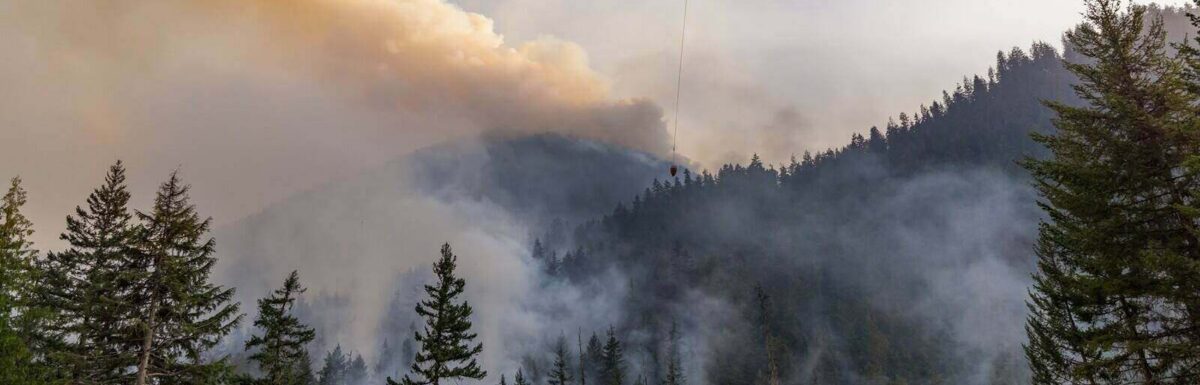
A wildfire can leave a timberland owner staring at hundreds of blackened acres that were supposed to fund a future harvest. Standard commercial property insurance pays the market value of the timber that burned, but not the cost of putting new trees back in the ground.
Reforestation cost coverage inside a forestry insurance policy is built to cover the difference, and it matters most to owners already carrying the other exposures that come with timberland. Sorting out which of those exposures a policy should absorb is worth doing with an experienced insurance professional before a dry season sets in.
What Triggers a Reforestation Insurance Claim
A reforestation insurance claim comes down to how many trees actually survive, not how scorched a stand looks in the first weeks after a fire. Some policies treat an acre as a qualifying loss when fewer than 40% of the planted trees survive, which means a stand set at 500 trees per acre generally has to lose more than 300 of them before that acre qualifies for a payout.
That threshold exists because low-intensity ground fires often scorch the bark without killing the living tissue underneath. A stand that looks ruined in April can end up with too many surviving trees by the following spring to trigger a payout at all, so insurers typically confirm the count with a post-fire survival assessment before deciding which acres qualify for reforestation cost coverage.
Does Forestry Insurance Cover Timber Value or the Cost to Replant?
Owners who blur these two coverages tend to end up underinsured for the part that actually costs them, so the distinction is worth pinning down. Standing timber coverage typically pays based on the market value of the timber destroyed, which a certified appraiser calculates from the volume and grade of the burned stand at the time of loss, minus whatever salvage value the charred logs still bring at a mill.
Reforestation coverage sets that market value aside and pays instead toward site preparation, seedlings, and planting labor, regardless of what the lost trees would have fetched at harvest. Neither coverage addresses the liability risks forestry operations carry, so that exposure belongs in the same review.
How Insurers Calculate Replanting Cost Reimbursements
Terrain and species drive most of the math once a stand qualifies. A mountainous tract that needs mechanical site preparation and hand planting costs far more to restore than flat ground a tractor-mounted planter can cover in a day. Carriers price the per-acre replanting cost reimbursement against that difference when the policy is written.
Fire severity plays a role too. A low-intensity burn that leaves topsoil and seed sources intact can allow for cheaper bare-root planting, while a high-intensity fire that sterilizes the ground pushes an owner toward mechanical preparation and costlier container seedlings. Insurers that track claims data across a region tend to reflect those restoration costs in the coverage levels they make available from one year to the next.
Why Stand Records Matter to Timberland Insurance Claims
An adjuster verifying a replanting claim needs a baseline for what the stand looked like before the fire. Make sure you have a robust paper trail. Reconstructing pre-fire conditions from tax records or aerial imagery can take weeks and still leave gaps a carrier can question when timberland insurance claims are being settled.
Owners already enrolled in a logging insurance program often have this documentation current, since an updated management plan is usually a part of that coverage. Keeping stand records and planting dates up to date is the cheapest step an owner can take to protect a future payout.
Coverage Limits and Waiting Periods on Reforestation Insurance
Reforestation coverage is typically written at a flat per-acre limit chosen when the policy is bound, so the reimbursement is capped at that figure. Deductibles on these policies usually run as a percentage of the loss instead of a flat dollar amount, and that percentage, along with any stated minimum, often scales with tract size, so larger acreage can carry a bigger share of the first dollars.
Policies renew annually, and a newly bound one may carry a short waiting period before coverage applies to freshly planted acreage, which makes timing a purchase around planting season almost as important as the limit itself. Letting a policy lapse during a dry stretch, on the assumption that last year’s wildfire timber loss coverage carried over, is one of the more expensive mistakes an owner can make.
Talk to Burton & Company About Reforestation Cost Coverage
Burton & Company has worked with Virginia timberland owners, forestry contractors, and logging operations since 1891, and we build forestry insurance programs around both the value of the standing timber and the liability that comes with running the operation.
We will walk you through what your reforestation cost coverage actually does before anything gets signed, and we will not steer you toward limits or add-ons your acreage does not need. Call (888) 652-1046 or request a quote to review your coverage before the next fire season opens.