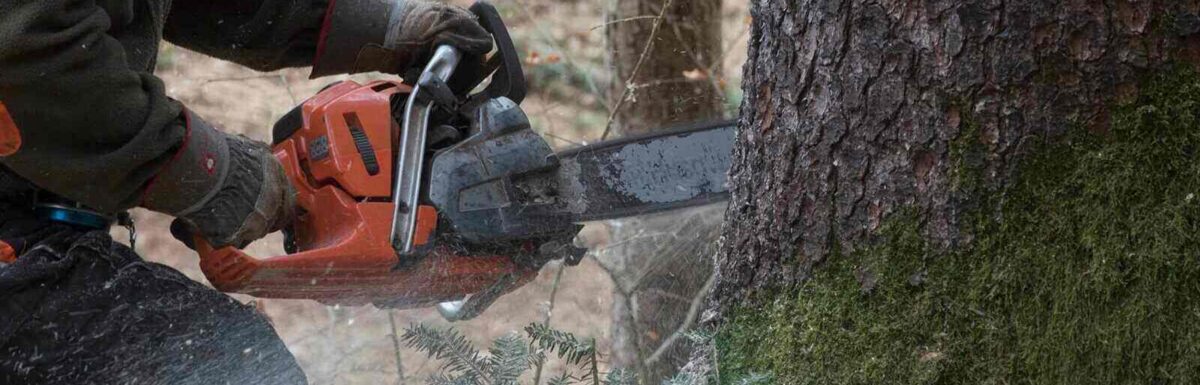
Logging is one of the most physically and financially demanding industries in the country. Workers operate heavy machinery on uneven terrain, in remote locations, often far from the nearest emergency services.
According to the U.S. Bureau of Labor Statistics, logging has consistently ranked among the most dangerous occupations, and in 2024, workers in the logging industry had the highest fatal work injury rate of any industry by a wide margin. That level of risk does not just affect workers; it also has an impact on the bottom line of every logging company and independent contractor in the field.
Forestry insurance exists to address exactly this reality. The right coverage protects equipment, operations, and the business itself when things go wrong. This guide covers the main types of coverage, why each one matters, and how a knowledgeable insurance professional can help you build the right program.
Why Logging Operations Insurance Is Different
Standard business insurance policies are not designed for work that happens in the woods. The National Institute for Occupational Safety and Health has consistently classified logging as one of the most hazardous industries in the United States. That classification affects how insurers price and structure policies, and it is why logging operations insurance requires industry-specific expertise.
Logging companies also experience exposure that most businesses never encounter, including remote job sites with limited emergency access, unpredictable weather conditions, and the physical realities of working with heavy timber and powerful machinery every day. For independent contractors, the stakes are equally high. A single equipment breakdown, an on-site accident, or a third-party property damage claim can end a small operation without proper coverage in place.
The Types of Forestry Insurance Coverage
Liability Coverage for Logging
A commercial general liability policy, as described by the Insurance Information Institute, protects businesses against bodily injury and property damage claims arising from their premises and operations. For logging companies, this includes incidents involving third parties on or near a job site, damage to landowner property during harvest, and claims arising from completed work.
Standard policies often contain exclusions that create real gaps for logging operations, for example, around timber damage, soil disturbance, or off-road equipment use. Working with an agent who understands commercial forestry coverage means those gaps are identified and addressed before a claim arises, not after.
Equipment Protection Insurance
Logging equipment represents one of the largest capital investments a company or contractor makes. Skidders, feller bunchers, loaders, and processors can each run hundreds of thousands of dollars. Here are a few typical insurance coverage options:
- Equipment protection insurance, typically written as an inland marine or contractors’ equipment floater, covers machinery against physical damage, theft, and accidental loss on-site, in transit, or in storage.
- The International Risk Management Institute notes that specialized forestry machinery is generally classified as mobile equipment and is covered under a floater rather than a general liability policy.
- Commercial auto coverage for log trucks and service vehicles rounds out the fleet.
Pollution Liability
Logging equipment introduces real environmental exposure. Hydraulic fluid leaks, fuel spills, and runoff from machinery can contaminate soil and nearby waterways. Pollution liability coverage pays for remediation costs and related fines, an exposure many operators do not think about until a claim surfaces. For companies working near streams, wetlands, or other sensitive areas, this coverage deserves serious consideration.
Workers’ Compensation
Workers’ compensation provides coverage for medical costs and lost income for employees who are injured while performing their job duties. Requirements are set at the state level and vary by location; logging companies operating in Virginia should confirm their specific obligations under state law. Due to the injury rates in the logging industry, this is coverage no employer should go without.
Insurance for Independent Contractors in Logging
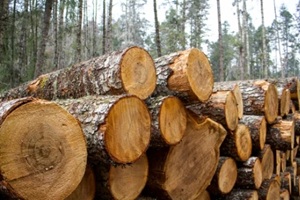
Independent contractors in the logging industry typically need general liability, equipment protection, commercial auto, and pollution liability coverage. Many are also required by contract to carry minimum limits and name the hiring party as an additional insured. Reviewing those contract requirements with a qualified agent’s help before starting a job avoids costly gaps and keeps the work moving.
It is also worth revisiting your coverage regularly. As your equipment inventory grows or your contracts change, your insurance program should keep pace. An annual meeting with your agent is a simple method for actively identifying and resolving any gaps.
Talk to Burton & Company About Your Forestry Insurance
Burton & Company has been helping Virginia businesses find the right insurance since 1891. The logging industry carries real risk, and your coverage should reflect that vulnerability. The team at Burton & Company will take the time to understand your operation and connect you with logging industry insurance solutions that fit your needs and your budget. No pressure, just straightforward guidance.
From family-owned logging operations to independent contractors running their own equipment, Burton & Company has the experience to get your coverage right.
Connect with us online or call at (888) 652-1046.