

General liability insurance for contractors is one of the most important policies a construction professional can carry. It offers coverage against third-party claims for bodily injury, property damage, and related legal costs.
General liability may not be enough, though. For contractors who carry general liability and assume the job is done, it is not.
A commercial general liability policy protects against claims made by others. It does not protect the structure you are building, the materials on the job site, or the project investment itself. Here’s what general liability covers, where it falls short, and how builders risk insurance fills those gaps.
What General Liability Insurance Covers for Contractors
A commercial general liability policy offers protection for business organizations against liability claims related to bodily injury and property damage that may occur due to their premises, operations, products, completed operations, as well as advertising and personal injury claims. In plain terms, a standard policy covers:
- Bodily injury to third parties: If a visitor or client is injured because of your operations, your policy covers their medical expenses and any resulting legal costs.
- Third-party property damage: If your crew accidentally damages a neighboring structure or a client’s property, general liability can respond.
- Personal and advertising injury: Claims related to slander, libel, or copyright infringement that are associated with your business operations are covered.
General liability insurance for contractors is foundational. Most clients and project owners require proof of it before work ever begins.
What General Liability Does Not Cover
It’s worth considering supplementing your coverage with builders insurance.
A commercial general liability policy is a third-party coverage. It responds to claims made against you. It is not a property policy and does not protect the project you are building.
Here are the construction insurance coverage gaps general liability leaves open:
- The structure under construction. If a fire destroys a partially framed home overnight, general liability will not cover rebuilding it. That is not a third-party claim against you. It is a loss to the project itself.
- Materials and supplies on site. Lumber, fixtures, and framing materials staged at a job site are not covered under a general liability policy. Theft, vandalism, and storm damage to those materials are real financial exposures.
- Materials in transit or stored off site. If high-value materials are damaged in transit before reaching the job site, a general liability policy will not respond.
- Soft costs tied to delays. Some builders risk policies can be extended to cover additional costs from a covered loss, including financing fees or architectural expenses needed to get the project back on schedule.
How Builders Risk Insurance Addresses the Shortcomings
Builders risk insurance, often referred to as course of construction insurance, is a specialized property policy designed specifically for buildings that are currently under construction.
Abuilders risk policy is designed to cover property in the course of construction, according to the International Risk Management Institute. It is typically written on an all-risks basis and applied to property at the construction site as well as off-site storage locations and materials in transit.
In practice, builders risk insurance for general contractors typically covers:
- the structure being built or renovated
- on-site materials, supplies, and equipment
- materials stored off-site or in transit
- temporary structures like scaffolding or fencing
- damage from fire, wind, hail, theft, and vandalism
Standard exclusions often include floods, earthquakes, and losses caused by faulty workmanship. Because there is no single standard form, coverage terms vary from carrier to carrier and reviewing your specific policy is always worth the time.
Do Contractors Need Builders Risk Insurance?
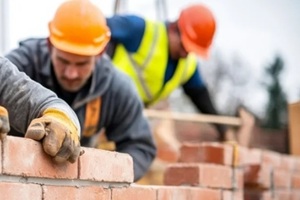
In many cases, builders risk insurance is not optional. The U.S. Department of Housing & Urban Development requires builders risk coverage as a condition of construction financing under some federally insured mortgage programs. Most private construction lenders enforce the same standard before releasing funds.
Considering general liability versus builders insurance is not an either/or decision. These two policies cover entirely different risks.
General liability insurance for contractors protects against what you might do to others. Builders risk insurance protects the project itself. A contractor who carries only one is operating with real exposure on every build, including builders working on residential construction, where a single fire or storm event can halt a project with no property coverage to fall back on.
Build a Comprehensive Program with Burton and Company
At Burton and Company, we have been helping Virginia businesses find the right insurance since 1891. We understand that gaps in contractor coverage under general liability insurance are not always obvious until something goes wrong, and we work to ensure your program is structured to provide the best coverage possible.
Whether you are evaluating general liability compared to builders insurance or building a complete contractor insurance program, our team is here to help. We take the time to learn your business and recommend coverage that fits, nothing more and nothing less.
Contact Burton and Company online or call (888) 652-1046 to discuss your construction insurance needs and make sure your next project is fully protected.