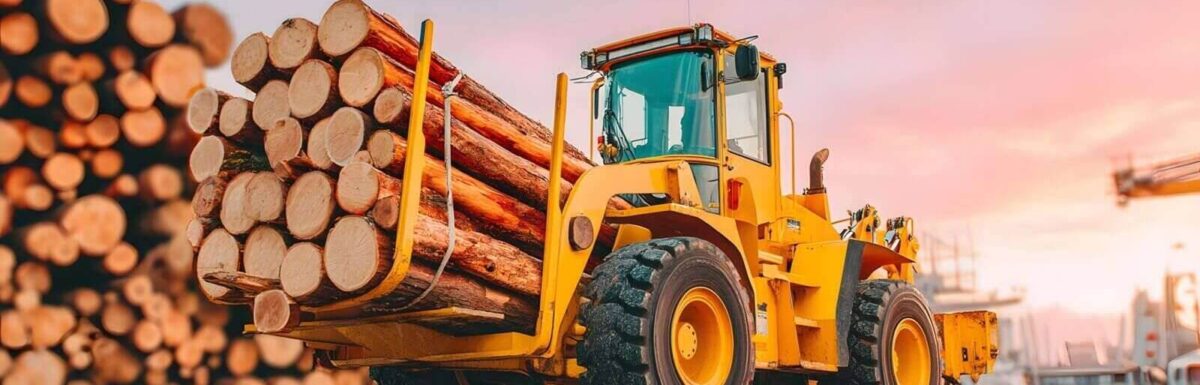
Owning forestland represents a significant investment that can span generations. Whether managing timber for commercial harvest, maintaining recreational property, or preserving natural habitat, landowners contend with numerous risks that can devastate their financial stake in these valuable assets.
A single wildfire, a severe storm, or a pest infestation can destroy decades of growth and eliminate future revenue streams. This is where forestry insurance becomes an indispensable tool for protecting both the land and the economic value it represents.
Understanding what forestry insurance covers and why it matters can help landowners make informed decisions about protecting their timber investments and operations. It’s important to understand the core components of forestry insurance policies, the risks they address, and the factors that influence coverage costs.
Core Coverage Components of Forestry Insurance
Forestry insurance policies typically include several layers of protection designed to address the unique risks timber owners experience. These coverages combine to offer financial protection from losses caused by both natural events and human actions.
Fire Protection
Fire remains one of the most destructive threats to forestland. According to the USDA Forest Service, wildfires burned an average of 7 million acres annually in the United States over the past decade.
Forestry insurance policies typically cover timber loss due to fire, including both the immediate damage and the long-term economic impact of lost growth potential. This coverage extends to costs associated with fire suppression and debris removal following a fire.
Natural Disaster Coverage
Beyond fire, timber stands are threatened by hurricanes, tornadoes, ice storms, and flooding. The National Weather Service reports that severe weather events cause billions in damage annually, with forests frequently affected. Forestry insurance protects against windthrow, where high winds uproot or snap trees, and ice damage that can break limbs and tops. Flood coverage addresses losses when standing water damages or kills timber.
Pest and Disease Damage
Insect infestations and diseases can rapidly decimate timber value. Insects and disease affect approximately 50 million acres in the U.S. annually, approximately 15% of the country’s forest cover. While standard policies may limit pest coverage, specialized forestry insurance can protect against catastrophic losses from pests like the bark beetle and emerald ash borer, and disease outbreaks such as oak wilt and sudden oak death.
Liability Protection
Forestry insurance also addresses liability concerns. Landowners are open to potential claims from recreational users or as a result of neighboring property damage or logging operations. Liability coverage protects during lawsuits stemming from injuries on the property, damage caused by falling trees, or harm resulting from forest management activities.
Timber Income Loss
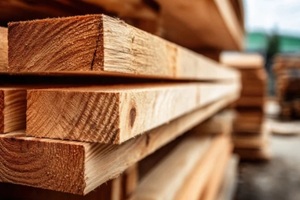
When disasters strike, landowners not only lose standing timber but also future revenue. Income loss coverage compensates owners for the financial impact of delayed harvests and reduced timber values following a covered loss. This component helps bridge the gap between disaster and recovery, which can span years as new growth matures.
Factors Influencing Forestry Insurance Costs
Premium rates for forestry insurance vary significantly based on several risk factors that insurers evaluate:
- Geographic location and regional risks: Properties in areas of high fire risk or hurricane zones typically carry higher premiums.
- Forest composition and age: Younger stands and diverse species mixes may receive more favorable rates.
- Fire protection measures: Access to fire departments, firebreaks, and water sources can reduce costs.
- Management practices: Active forest management and regular maintenance may qualify for discounts.
- Coverage limits and deductibles: Higher deductibles and lower coverage limits result in lower premiums.
The Economic Case for Forestry Insurance
Some landowners view forestry insurance as an unnecessary expense, particularly when properties have historically avoided major losses. However, this perspective overlooks the magnitude of potential financial exposure.
Consider that established timber stands can be valued at $1,000 to $4,000 per acre or more. For a 100-acre property, a catastrophic loss could eliminate $100,000 to $400,000 in asset value. Without insurance, recovery depends entirely on the owner’s financial resources and ability to wait decades for timber to regrow.
Moreover, forestry insurance provides assurance, allowing owners to manage their properties for long-term sustainability. This stability supports better decision-making about when to harvest, what management practices to implement, and how to balance economic and conservation goals.
Is Forestry Insurance Right for Your Property?
The decision to purchase forestry insurance depends on several considerations. Landowners should assess their financial ability to absorb a total loss, the current and projected value of their timber, their property’s exposure to natural hazards, and their overall risk tolerance.
For most commercial timber operations and landowners with significant investments in forestland, the protection offered by forestry insurance far outweighs the premium costs.
Protect Your Timber Investment with Burton & Company

Forestry insurance represents more than just another policy. It’s a strategic tool for protecting decades of investment and ensuring your land can continue generating value for years to come.
With over 100 years of experience serving Virginia landowners, Burton & Company understands the unique insurance needs of forest property owners. Our team can help you evaluate your forestry insurance options, explain coverage details, and design a policy that matches your specific property characteristics and risk profile.
Don’t wait for a disaster to reveal the gaps in your coverage. Contact Burton & Company online or call (888) 652-1046 to discuss how forestry insurance can protect your timber assets and provide the financial security your operation deserves.