
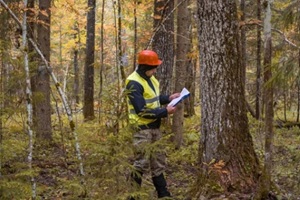
Managing forestland requires careful planning, patience, and a perspective that considers the long term. Whether you own a few acres of woodland or manage thousands of acres of timberland, the risks involved in forestry operations can threaten both your financial investment and environmental stewardship goals.
Wildfires, pest infestations, severe weather events, and other hazards pose constant threats to forest health and productivity. This is where forestry insurance becomes an essential tool for protecting natural resources while also maintaining economic viability.
Proper insurance coverage supports responsible forest management, protects against catastrophic losses, and enables landowners to invest confidently in the long-term health of their timberland.
Understanding the Risks to Timberland
Forest ecosystems contend with numerous threats that can devastate years or even decades of growth in a matter of hours or days. Wildfires are among the most destructive forces, particularly in drought-prone regions. Wildfires burn millions of acres across the United States annually, causing billions of dollars in damage.
Pest outbreaks present another significant threat. Invasive insects like the emerald ash borer and southern pine beetle can decimate entire stands of trees, fundamentally altering forest composition and economic value. Severe weather phenomena, such as hurricanes, ice storms, and tornadoes, have the potential to obliterate mature timber stands in just a matter of minutes. Climate change has heightened these weather patterns, which in turn complicates risk management for forestry professionals.
How Forestry Insurance Protects Your Investment
Forestry insurance provides financial protection against these threats, allowing landowners to recover from losses and reinvest in forest restoration. Standard policies typically cover direct losses from fire, wind, and ice damage, as well as certain pest infestations that meet specific criteria.
Beyond basic property protection, forestry insurance often includes coverage for:
- Lost timber value from damaged or destroyed trees
- Reforestation costs to replant after a catastrophic event
- Debris removal and site cleanup expenses
- Loss of income during recovery periods
This financial security becomes particularly important when considering the long growth cycles in forestry. Unlike crops that mature in a single season, timber requires 20 to 80 years to reach harvestable maturity. Without adequate insurance protection, a single catastrophic event could eliminate a lifetime of careful stewardship.
The Connection Between Insurance and Sustainable Practices
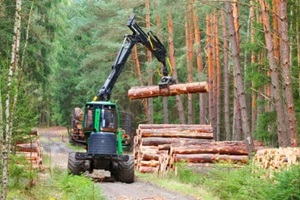
Forestry insurance does more than protect against losses. It actively encourages sustainable land management practices. Insurance providers typically require risk assessments that identify vulnerabilities and recommend improvements. These assessments often align with best management practices for forest health.
For example, insurers may recommend fuel reduction treatments to minimize wildfire risk. These same practices, including selective thinning and controlled burns, improve overall forest health by reducing competition, promoting biodiversity, and creating more resilient ecosystems. The Nature Conservancy has documented how insurance incentives can align with ecological restoration goals, creating win-win scenarios for both landowners and the environment.
Insurance requirements may also encourage landowners to develop and maintain firebreaks, install water sources for fire suppression, and implement integrated pest management programs. These proactive measures protect insured property while simultaneously enhancing ecosystem services such as water filtration, carbon sequestration, and wildlife habitat.
Risk Management and Long-Term Planning
Getting forestry insurance requires landowners to develop comprehensive management plans that outline current conditions, management objectives, and strategies to achieve those objectives. This planning process itself adds value by forcing property owners to think strategically about their forest resources.
Insurance also enables landowners to make long-term investments in forest improvement with greater confidence. Knowing that decades of work won’t be wiped out without recourse makes it easier to commit resources to thinning operations, invasive species control, and other management activities that enhance forest value over time.
Balancing Ecological and Economic Values
Well-designed forestry insurance programs recognize that healthy forests deliver benefits beyond timber production. Many policies now acknowledge the value of ecosystem services, though the specifics of coverage vary by provider.
Progressive insurance approaches consider factors such as carbon storage potential, watershed protection value, and recreational use when assessing property value. This comprehensive valuation harmonizes timber production with environmental preservation. The National Association of State Foresters emphasizes that strategic planning helps landowners maintain both economic and ecological forest values.
For landowners participating in conservation easements or certified sustainable forestry programs, appropriate insurance coverage becomes even more important. These voluntary commitments often restrict certain management activities in exchange for tax benefits or certification premiums.
Why Professional Guidance Matters
Selecting appropriate forestry insurance requires understanding both the unique characteristics of your property and the complex coverage options available. Working with insurance professionals who understand forestry operations guarantees that your coverage adequately protects your specific risks.
Protect Your Forestland with Burton & Company
Forestry insurance is an investment in the long-term health and productivity of your timberland. By protecting against catastrophic losses while encouraging responsible management practices, proper insurance coverage enables landowners to pursue both economic and environmental objectives with confidence.
Burton & Company has been helping landowners in Virginia safeguard their assets for more than a century. Our experienced team understands the specific challenges facing forestry operations and can design insurance solutions that protect your investment while supporting sustainable land management practices.
Contact Burton & Company online or call (888) 652-1046 to discuss how forestry insurance can protect your property and help your long-term management goals.