Operating a forestry business involves inherent risks that can lead to devastating financial losses. While some landowners and contractors view forestry insurance as an unnecessary expense, the reality is that operating without adequate coverage can lead to economic consequences that threaten the entire operation.
From natural disasters to liability claims, the potential costs of going uninsured far exceed the premiums required for comprehensive coverage. There are real-world financial risks forestry operators experience without insurance, making forestry coverage essential for long-term sustainability.
The Financial Cost of Natural Disasters
Natural disasters pose one of the greatest financial risks to forestry operations. Wildfires, ice storms, hurricanes, and floods can obliterate years of investment in a matter of minutes. The insurance industry’s analysis of forestry risks shows the frequency and severity of natural catastrophes are increasing, with more extreme weather events affecting timber stands.
Consider a scenario in which a landowner has 500 acres of mature timber valued at $3,000 per acre, totaling $1.5 million in standing timber. A single wildfire could destroy this entire asset within hours.
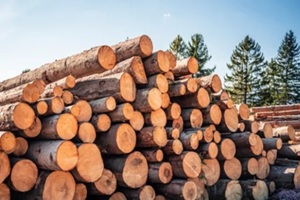
Wildfire damage to private forestland leads to billions of dollars in timber losses annually. Without forestry insurance, the landowner absorbs the full financial loss, including the market value of destroyed timber, lost future revenue, removal costs, replanting expenses, and reduced property value.
Equipment and Machinery Losses
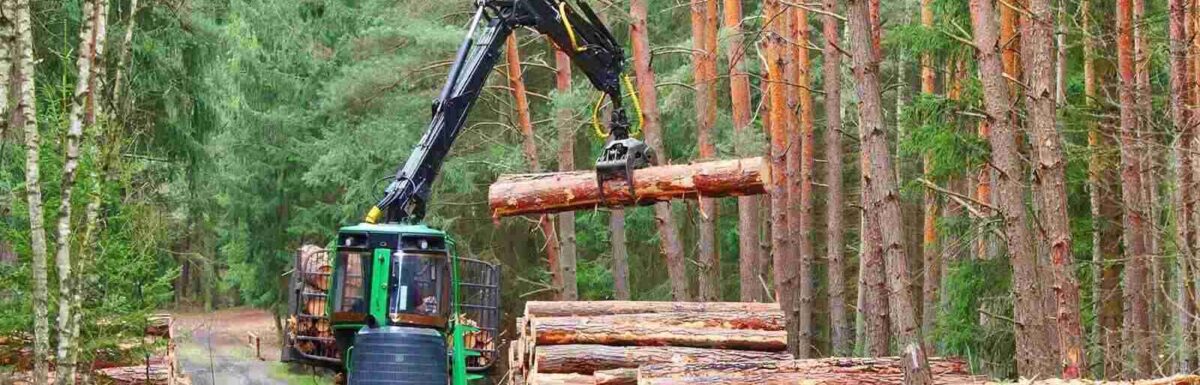
Forestry contractors rely on expensive specialized equipment to conduct operations. Without proper forestry insurance coverage, theft or damage to this equipment can damage or halt operations. A single feller buncher can cost $400,000 or more. If the equipment is stolen or destroyed, an uninsured contractor must pay for a replacement while still making payments on the original loan or choose to suspend operations, which creates the risk of losing contracts.
Liability Exposures Without Coverage
Perhaps the most financially dangerous risk for uninsured forestry operations is liability exposure. Forestry work involves heavy equipment, hazardous conditions, and activities that can impact neighboring properties.
Third-Party Property Damage
When logging operations damage neighboring property, utility lines, or water sources, the forestry operator becomes liable for repairs. A tree that falls onto a neighbor’s home during harvesting operations could result in $200,000 or more in damages. Without general liability insurance, the operator must pay these costs out of pocket or be exposed to lawsuits that can result in liens against business and personal assets.
Employee Injury Costs
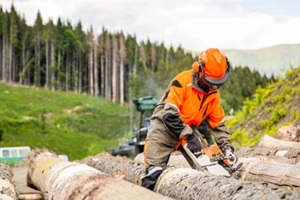
Forestry ranks among the most dangerous occupations. The Bureau of Labor Statistics consistently lists logging workers among occupations with the highest fatal injury rates. When workers suffer injuries, the financial consequences for uninsured operators can be catastrophic. While most states mandate workers’ compensation coverage, gaps in coverage can leave operators exposed to medical expenses, lost wages, permanent disability payments, legal fees, and OSHA penalties.
A single severe injury can easily generate costs exceeding $1 million. For an uninsured operation, this financial burden often results in business closure.
Loss of Business Opportunities
Operating without forestry insurance limits business growth. Many contracts, especially with larger timber companies or government entities, require proof of insurance before awarding work. According to the USDA Forest Service procurement guidelines, contractors must demonstrate adequate insurance coverage to qualify for federal forestry contracts. Without proper coverage, forestry contractors cannot bid on these projects, limiting revenue potential.
Financing options also become restricted. Lenders typically require insurance coverage as a condition for obtaining equipment loans or lines of credit for operations. Uninsured operators may find it impossible to secure favorable financing terms, limiting their ability to invest in growth.
The Compounding Effect of Financial Losses
Penn State Extension notes that long-term financial planning for timber requires considering multiple revenue streams and unexpected setbacks. When disaster strikes an uninsured operation, years of careful planning and investment can vanish. A landowner who suffers an uninsured timber loss may lack the capital to replant, resulting in years of lost production. These cascading effects can transform a single incident into business-ending financial devastation.
Protecting Your Investment with Burton & Company
The financial risks of operating without forestry insurance are too significant to ignore. Whether managing timberland as a long-term investment or running an active logging operation, adequate insurance coverage provides the financial protection necessary to weather unexpected events.
Burton & Company has been protecting Virginia forestry operations and landowners for over 100 years. Our experienced team understands the risks specific to the forestry sector and can design forestry insurance coverage that addresses your exposures. From timber stands and equipment to liability protection and business interruption coverage, we will guarantee you have the protection needed to operate with confidence.
Don’t wait for a disaster to occur to find out how much being uninsured really costs. Contact Burton & Company today to discuss your forestry insurance needs and learn how the right coverage can protect your financial future. Contact us online or call (888) 652-1046 to speak with one of our insurance specialists.