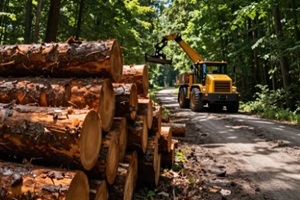
A logging business involves distinct risks that generic insurance policies often fail to address. From falling trees and heavy equipment accidents to environmental liabilities and timber theft, forestry operations contend with hazards that require specialized coverage. A customized forestry insurance plan protects your business against these industry-specific risks while also safeguarding against paying for unnecessary coverage.
This blog will identify the essential components of forestry insurance and all you need to know to build a protection strategy that fits your logging operation’s unique needs.
Understanding the Core Components of Forestry Insurance
Forestry insurancetypically includes several types of coverage working together to protect different aspects of your logging business.
- General liability insurance acts as a fundamental safeguard, providing coverage for claims arising from bodily injury and property damage that may occur during business activities.
- Liability coverage is essential for any business that interacts with the public or operates on the property of others.
- Property insurance protects your physical assets, including logging equipment, buildings, and inventory. As a result of the high value of forestry machinery, including skidders, feller-bunchers, and log loaders, this property insurance is particularly important.
- Equipment breakdown insurance may also include coverage for mechanical failures that standard property policies typically do not cover.
- Workers’ compensation insurance, which provides coverage for medical costs and lost income in the event that employees sustain injuries at work, is a required coverage in many states.
The logging industry consistently ranks among the most dangerous occupations in the United States, with the Bureau of Labor Statistics reporting that logging workers experience significant injury risks. This makes adequate workers’ compensation coverage particularly important for forestry operations.
Assessing Your Business’s Specific Risk Profile
Every logging operation differs in size, scope, and risk exposure. Start by evaluating the geographic areas where you operate. Steep terrain, remote locations, and regions prone to wildfires or severe weather require different coverage considerations than operations in flatter, more accessible areas.
Consider the kinds of timber you collect and the techniques you employ to gather them. Clear-cutting operations present different risks than selective logging. If you process timber on-site or transport logs, you’ll need additional coverage for those activities.
The size and skill level of your workforce will also influence your insurance requirements. Larger crews require higher liability limits, while newer employees may increase your workers’ compensation exposure. Document your safety training programs and equipment maintenance schedules, as insurers often consider these factors when determining premiums and coverage options.
Specialized Coverage Options for Logging Operations
Beyond basic forestry insurance policies, several specialized coverage types can protect logging businesses from industry-specific risks:
Inland Marine Insurance covers equipment and property that moves between job sites. This includes logging equipment transported to various harvest locations and logs moved to mills or buyers.
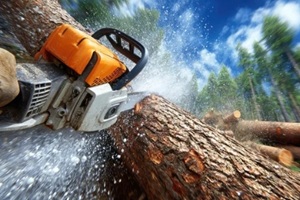
Environmental Liability Insurance addresses pollution and contamination risks, including fuel spills, soil erosion, and waterway contamination that can occur during logging operations.
Commercial Auto Insurance is essential for businesses that use trucks or other vehicles for transporting equipment, logs, or employees. Standard auto insurance may not adequately cover commercial forestry operations.
Timber Value Insurance protects standing timber from loss due to fire, wind, ice damage, or other covered perils. This coverage is particularly valuable if you own timberland or have purchased standing timber before harvest.
Working with Your Insurance Provider to Build the Right Plan
Customizing forestry insurance requires open communication with an insurance professional who understands the logging industry. Provide detailed information about your operations, including annual revenue, number of employees, types of equipment, and the scope of your activities.
Request coverage that matches your actual exposure. If you operate only during specific seasons, discuss whether seasonal policies could reduce costs. If you subcontract certain work, clarify how that affects your liability coverage needs.
Review your policy limits carefully. The Federal Emergency Management Agency recommends that businesses regularly evaluate their insurance coverage to confirm adequate protection. Higher limits cost more, but inadequate coverage can devastate your company after a significant claim.
Inquire about deductibles and their impact on your premiums. Opting for a higher deductible typically reduces your premium payments, but it also requires you to spend more money out-of-pocket when you make a claim. Make sure to find a balance between premiums that fit your budget and deductibles your business can comfortably cover.
Pro Tip: Regularly Review Your Coverage
As your business changes, your forestry insurance requirements may also change. Schedule annual policy reviews to confirm your coverage keeps pace with changes in equipment values, employee counts, and operational scope. If you expand into new geographic areas or add services like timber processing or land clearing, notify your insurance provider immediately to adjust your coverage accordingly.
Document all changes to your business operations, safety programs, and equipment investments. These improvements may qualify you for premium discounts or allow you to choose better coverage options.
Partner with Burton & Company for Your Forestry Insurance Needs

Protecting your logging business requires more than off-the-shelf insurance solutions. Burton & Company has served Virginia businesses for over a century, providing customized insurance strategies that address real-world risks. Our team understands the challenges of the forestry industry and works with top-rated carriers to provide comprehensive protection for your logging operation.
Contact Burton & Company online or call (888) 652-1325 to discuss how we can customize a forestry insurance plan that protects your business, employees, and investment. Let our experienced professionals guide you through your coverage options and create a policy that fits your specific needs and budget.