Logging is one of the most hazardous occupations in the country. Crews operate heavy machinery on remote, uneven ground, often far from medical facilities and repair services.
When a standard insurance policy does not address the specific exposures of a logging operation, the resulting costs can fall heavily on the business – from equipment damage and repairs to liability claims and worker injuries. Forestry business insurance is designed to help close those coverage gaps before a loss becomes a financial setback the business cannot absorb.
Logging and forestry insurance risks generally fall into five recurring areas, and each one calls for coverage built around the way the operation actually works:
- Equipment can be damaged or stolen at a remote site, potentially sidelining an entire crew.
- Worker injuries can be severe, resulting in significant medical costs and lost time.
- Landowners and other third parties can bring liability claims for property damage or bodily injury.
- Fire can spread quickly through a dry harvest site after a lightning strike, an equipment spark, or other ignition source.
- Severe weather can damage machinery and other property left exposed between jobs.
Equipment Damage and Logging Equipment Insurance
Skidders, feller bunchers, loaders, and processors can cost hundreds of thousands of dollars, and a working operation may have several machines spread across multiple sites at once. A cracked hydraulic line or rollover on a steep grade can take a machine out of service for weeks, slowing the crew and cutting directly into revenue.
Logging equipment insurance addresses this exposure, often through inland marine coverage or an equipment floater. Depending on the policy, it can protect machinery against physical damage and theft while allowing coverage to follow equipment between job sites.
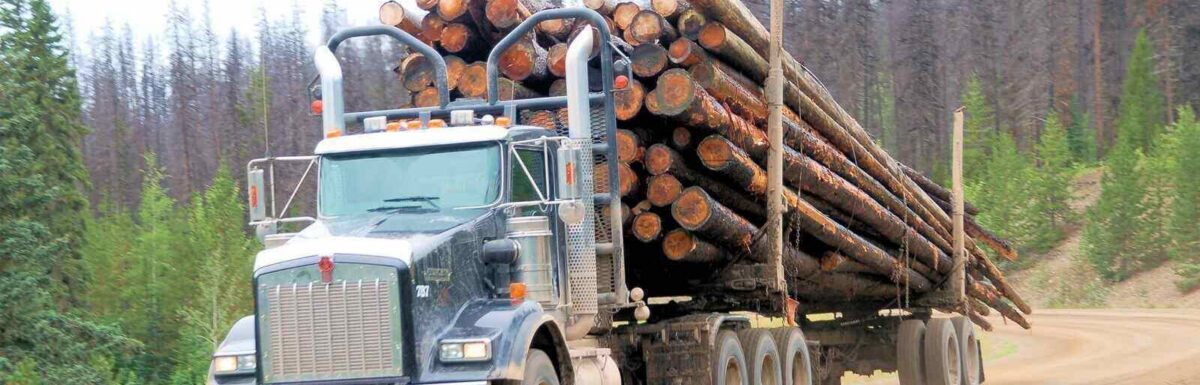
Logging trucks create additional exposures that a personal auto policy is not designed to handle, including the transportation of heavy timber and the increased risks associated with hauling large loads. These vehicles typically require commercial auto coverage designed around the operation’s actual use.
Worker Injury and Forestry Worker Injury Coverage
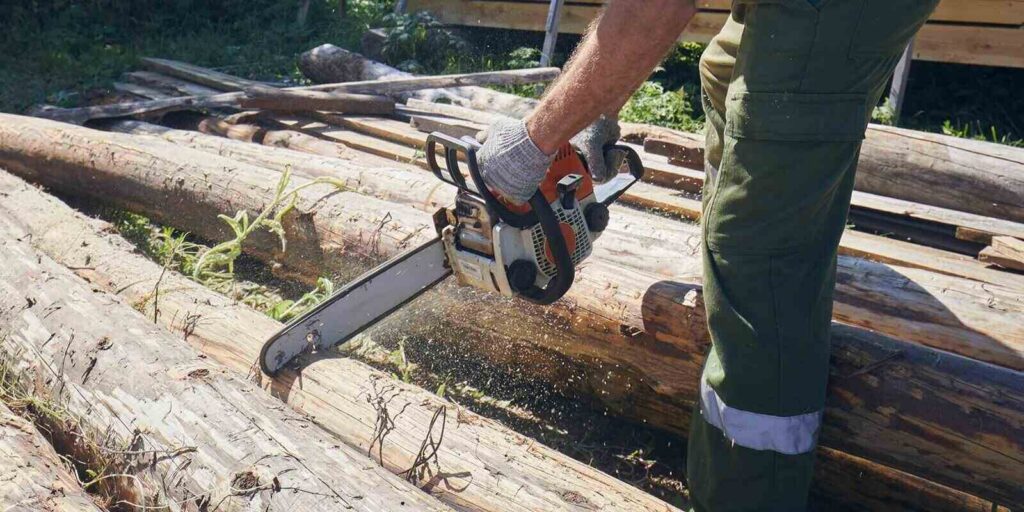
Chainsaws, falling trees, and heavy machinery create serious hazards for logging crews. Logging carries the highest fatality rate of any occupation tracked nationally, and forestry worker injury coverage including workers’ compensation where required, can help address medical expenses, rehabilitation costs, and lost wages resulting from covered workplace injuries.
In Virginia, an employer who regularly employs more than two part-time or full-time employees generally must carry workers’ compensation coverage. Employees of subcontractors may also be included when determining whether coverage is required. Because requirements can depend on the specific circumstances of an operation, businesses should confirm their obligations under current Virginia law.
That employee count can change as an operation grows or brings in additional crews. One serious injury deep in the woods can create substantial costs, which is why reviewing workers’ compensation coverage before it is needed is an important part of managing the risk.
Liability Exposure and Forestry Liability Insurance
A tree that comes down on a neighbor’s property can damage a building or injure someone nearby. A logging operation may be held responsible for resulting in bodily injury or property damage, depending on the circumstances and the terms of the contract and insurance policy.
Forestry liability insurance is designed around the unique risks associated with logging and forestry work. Standard general liability coverage may not address every exposure involved in timber harvesting, land clearing or off-road equipment operations, making it important to review policy exclusions and endorsements carefully.
Fuel spills hydraulic leaks create another exposure related to pollution. If a spill reaches a stream, wetland, or other environmentally sensitive area, cleanup and remediation costs may not be covered by a standard liability policy. Specialized pollution coverage or an appropriate endorsement may be needed to address those risks.
Fire Risks for Logging and Forestry Operations
Fire can spread quickly through a dry harvest site, potentially damaging several machines parked together as well as cut timber staged for hauling. Lightning, equipment sparks, fuel, and other ignition sources can all create serious fire exposures.
The right property and equipment coverage can help protect the business from covered physical losses, but the specific causes of loss, limits, deductibles, and exclusions should be reviewed carefully. A forestry operation may need coverage designed around the equipment and property it actually has at risk.
Weather and Property Losses
Logging equipment often spends time outdoors at remote locations, leaving it exposed to changing weather conditions. High winds can knock trees onto machinery, while flooding or severe storms can damage equipment and electrical components.
Physical damage coverage can help address covered losses from weather and other specified causes, depending on the policy. Reviewing where equipment is stored, how it is transported, and what perils the policy covers can help identify gaps before a loss occurs.
The Cost of Being Underinsured
One major uninsured or underinsured loss can have a serious impact on a logging operation’s profitability. A timber business insurance program works best when it keeps pace with the operation itself, including newly purchased equipment, additional employees, expanded services, and changes in the work being performed.
Logging operation risk management often starts with reviewing job sites, comparing the equipment list with current coverage, and confirming what each contract requires before work begins.
That review should also include borrowed or rented equipment. Borrowed equipment can create a significant coverage gap if the business assumes it is automatically protected under an existing policy.
Building the Right Forestry Insurance Coverage
A well-designed insurance program can bring equipment protection, liability, workers’ compensation, commercial auto, and property coverage together around the way a logging or forestry operation actually works.
Limits, deductibles, endorsements, and exclusions should be reviewed based on what the operation owns and the work it performs. Forestry insurance coverage built around those details can help identify gaps that might otherwise go unnoticed-for example, when a newly purchased skidder has not been added to the equipment schedule or when a contract requires additional insured status that the current policy does not provide.
Because every logging operation is different, the right combination of coverage depends on the business’s equipment, employees, contracts, transportation needs, and job-site exposures.
Talk to Burton & Company About Your Coverage
If you run a logging or forestry operation, now is a good time to compare your current forestry insurance program with the work your business actually performs today. Standard policies may leave gaps that only become apparent after a loss, when the options for correcting them may be limited.
Burton & Company has helped Virginia businesses find the right protection since 1891. Our team takes the time to understand how your operation works before recommending coverage, with the goal of helping you protect the business without paying for coverage you do not need. Call (888) 652-1046 or contact our team to discuss your current forestry insurance coverage and identify potential gaps.