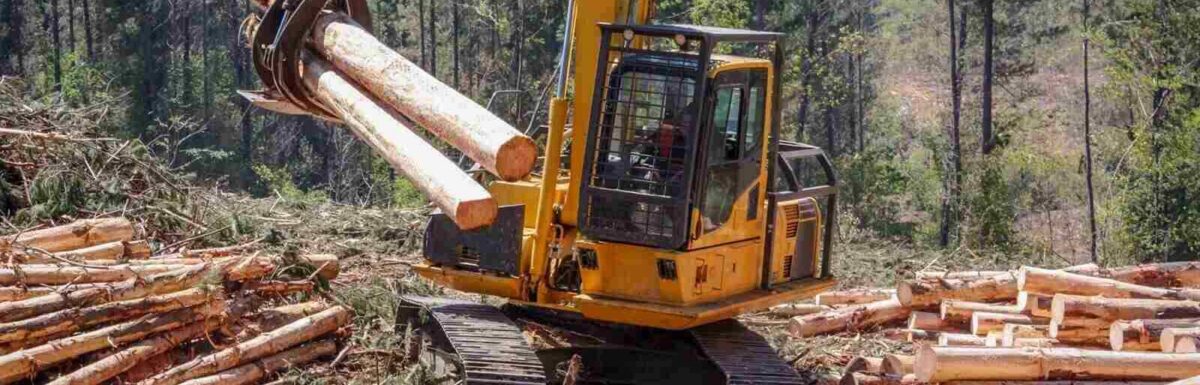
Logging consistently ranks among the most dangerous industries in the United States. Logging workers have had the highest fatal injury rates of any occupation, but the dangers don’t stop at the edge of your job site.
A falling tree, a runaway log, or a piece of heavy equipment can cause serious harm to people and property well beyond your operation, opening the door to costly third-party liability claims.
This article breaks down how logging insurance third-party liability coverage works, what a logging general liability policy typically covers, where standard policies may fall short, and why having the right protection in place matters for your business’s long-term survival.
What Is Third-Party Liability in Logging?
Third-party liability refers to claims made against your business by someone who is not your employee, such as a neighboring landowner, a passerby, a subcontractor, or a member of the public who suffers harm because of your operations.
In the logging industry, those scenarios play out more often than people might expect. Here are a few examples:
- A felled tree lands on a neighbor’s fence or vehicle
- Debris from a skidding operation damages a road or adjacent structure
- A delivery driver visiting your site trips over equipment and is injured
- Logs shift during transport and strike another vehicle on a public road
When a third party files a claim, you inform your insurance company, and they conduct an investigation to assess your potential liability.If you are liable, they can represent you in court, cover any court-ordered amounts or settlements, and may also pay for legal fees, even if you are not convicted. Without adequate logging insurance, you’ll have to cover those expenses yourself.
How Logging General Liability Coverage Works
The foundation of liability protection for the logging business is the commercial general liability policy, or CGL. A CGL policy is intended to safeguard businesses from liability claims related to bodily injuries and property damage that occur due to their premises, operations, products, completed operations, advertising, or personal injury liability.
A standard timber operation liability insurance policy generally addresses three main categories of third-party claims.
- Bodily injury covers medical expenses, lost wages, and legal damages if someone outside your business is physically hurt due to your operations, whether from falling objects, equipment accidents, or incidents on or near your job site.
- Property damage covers the cost of repairing or replacing a third party’s property that your operations damage, a real and recurring risk when trees fall in unintended directions or heavy equipment strikes structures.
- Legal defense costs are often overlooked but can be financially devastating on their own. Even if a claim against you fails, attorney fees and court costs add up quickly without logging contractor liability insurance in place.
Real-World Scenarios Where Coverage Matters
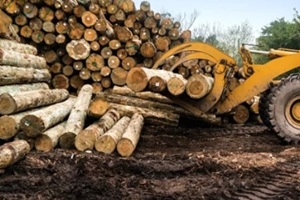
There are several practical situations where having additional insurance protection would make a real difference.
A harvesting crew is working near a property line. A large tree falls in an unintended direction, landing on a neighboring structure. The property owner submits a claim for repair expenses. Without commercial logging liability protection, your business absorbs the entire loss.
A subcontractor arrives on your site to assist with log loading. A piece of equipment malfunctions, injuring them. Because they are not your employee, this falls under third-party liability, not workers’ compensation. Your CGL policy is what responds to that claim.
Coverage Gaps to Watch For
Not all logging insurance policies are the same, and standard commercial policies not designed for the forestry industry may leave you exposed. Common logging insurance policy coverage gaps include:
Operations coverage scope. Some policies can be amended to limit coverage to a specific address, while an unendorsed commercial general liability policy is not specific to a particular location or state. Still, coverage can be reduced by endorsements such as the Limitation to Designated Premises Endorsement, which restricts coverage to a premises shown in the policy schedule. Since logging work moves from site to site, such restrictions can leave off-site incidents unprotected.
Completed operations. Liability does not always end when the job is done. Products and completed operations coverage offers protection for bodily injury and property damage that takes place off your business premises due to your completed work. If property damage is discovered after your crew leaves a site, this provision guarantees you are still covered.
Pollution and environmental liability. The pollution exclusion removes coverage for any injuries or damages to a third party that result from a pollution event linked to your business activities. Forestry liability coverage near waterways or wetlands may require this protection to be added separately.
Umbrella or excess liability. A commercial umbrella policy offers protection for losses that go beyond the limits of a standard liability policy and can also address coverage gaps that may be present in basic liability policies. Given the scale of potential damages in serious logging incidents, the limits on a standard policy may not be sufficient.
Reasons Why Logging Operators Require Specialized Coverage
Logging operations involve physically demanding tasks, extended working hours, seasonal work, and some of the most dangerous conditions in the labor market. These jobs frequently occur in remote regions with severe weather, where access to medical services can be restricted.
Generic business insurance is rarely built to account for those realities. Working with an agent who understands the forestry industry means your coverage is built around the actual risks of your operation, not a general template that may miss what matters most.
Talk to Burton & Company About Protecting Your Logging Business
Burton & Company has been helping Virginia businesses secure the right insurance coverage since 1891. If you run a logging or timber operation, understanding your liability exposure and closing coverage gaps is essential to protecting everything you have built.
Get in touch with our team to talk about your logging insurance needs. We will take the time to learn your operation, explain your options clearly, and make sure you have the protection that fits your specific risks and budget.
Contact Burton & Company online or call (888) 652-1046 to get started.