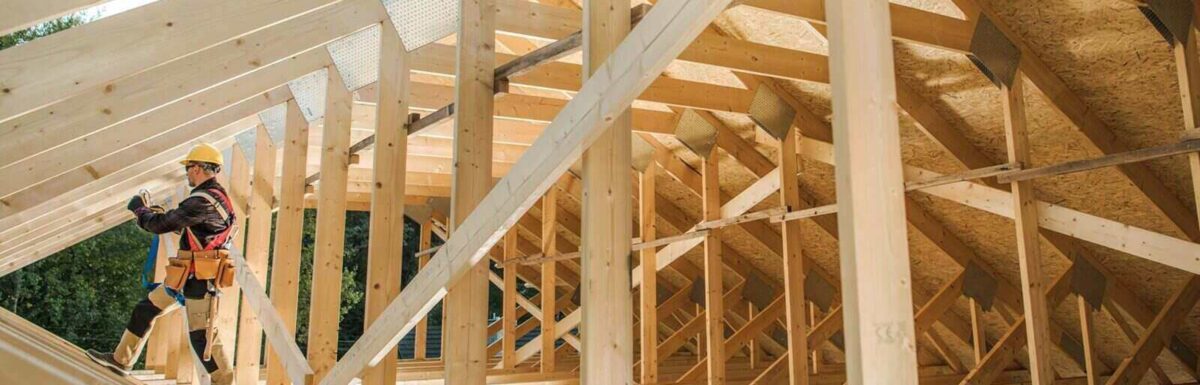
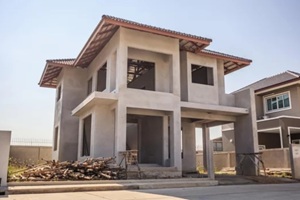
Residential construction is at risk of financial exposure at every stage, from the moment equipment shows up on site to the day a homeowner gets the keys. For ground-up new builds or large renovations, the risks can be significant. Weather damage, theft, on-site injuries, subcontractor errors, and third-party liability claims can all derail a project and devastate your bottom line.
Residential construction insurance is not a formality; it is one of the most practical tools in a builder’s financial toolkit. This article details the main policy types and how they work together, outlining what to consider when selecting coverage for your next project.
Why Construction Projects Need Specialized Coverage
Standard property or homeowners insurance is not designed for active construction. An in-progress build is a different risk profile entirely, so home construction insurance starts with policies built specifically for the job.
The cost of a single uninsured incident, like a fire, a major theft, or a serious injury, can easily exceed the value of cost savings on premiums.
Consider working with an insurance agent with a focus on construction risks. They may be able to locate policies that combine property and liability coverage into one comprehensive policy, specifically designed for the needs of construction businesses.
The Core Policies for Residential Construction
Builders Risk Insurance
Also called “course of construction insurance,” builders risk covers the physical structure and materials while a project is in progress. Coverage extends to direct physical loss caused by a covered peril to the structure at the jobsite while construction is in progress, including building supplies and materials intended to be incorporated into the structure.
One important detail: Coverage should match the full completed project value. When a loss settlement is made, if the coverage limits fall below 100% of the total completed value, the insurer may apply a penalty and only compensate a portion of the loss.
Builders risk is typically purchased for the duration of the project and expires once the structure is complete and occupied.
General Contractor Insurance and Contractor Liability Coverage
A commercial general liability policy covers legal defense costs and pays damages you owe, up to your policy limits. General liability is an essential insurance product, as liability lawsuits are prevalent and can considerably affect a business’s finances.
You might also consider requiring subcontractors to obtain Owners and Contractors Protective Liability Coverage, which safeguards a general contractor against potential liability that may result from the negligent actions of an independent contractor or subcontractor engaged to work on their behalf. Without this requirement written into your subcontracts, you may be left exposed if a subcontractor causes damage or injury and carries inadequate coverage.
Workers’ Compensation
Workers’ compensation requirements are set at the state level, not at the federal level. In Virginia, the threshold is two or more employees, part-time or full-time. Contractors need to verify the requirements with their state’s workers’ compensation department. It is also worth noting that subcontractors’ employees may count toward your total employee threshold for coverage purposes, so verify your obligations before hiring out any portion of the work.
Additional Coverages to Consider
Depending on your projects, construction risk management may also call for additional coverages:
- Installation floater: Covers materials in transit or stored off-site before installation
- Soft costs coverage: Addresses added expenses from project delays, such as extended architect or engineering fees
- Professional liability (errors & omissions): Protects against claims of negligence, misrepresentation, or inaccurate advice that general liability does not cover.
- Commercial auto: Required for vehicles used in the course of construction work
Start Your Next Project Protected with Burton & Company
Getting residential construction insurance right takes more than a quick online search. The right combination of builders insurance, contractor liability coverage, and property damage protection depends on your project size, workforce, subcontractors, and contract requirements.
As a general guideline, obtain insurance for events you couldn’t afford to cover independently, and evaluate your coverage annually as your business expands and liabilities rise.
At Burton & Company, we have been helping Virginia builders, contractors, and property developers find the right coverage for over 100 years. We will not push you toward policies you do not need. Our goal is to make sure you are properly protected so you can focus on building.
If you are starting a new build, planning a renovation, or want a second opinion on your current coverage, reach out to the team at Burton & Company online or call (888) 652-1046 to get started.