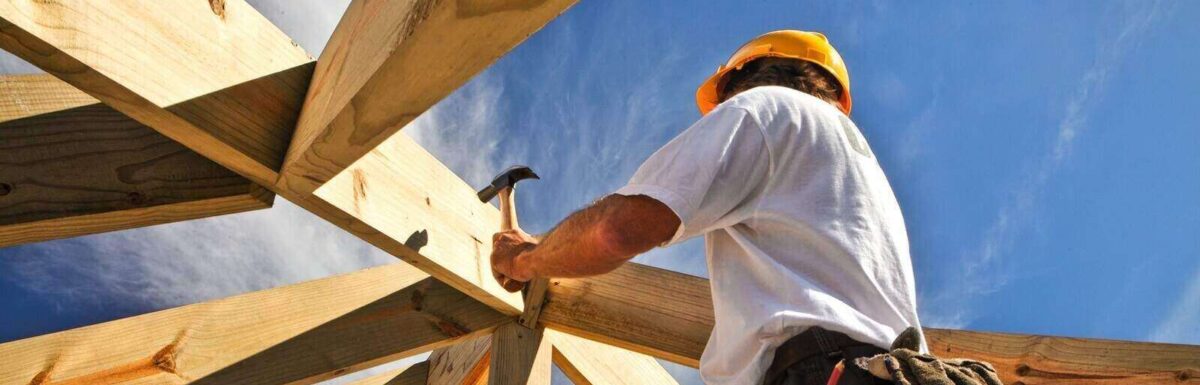
Construction sites are inherently hazardous environments. According to the Occupational Safety and Health Administration, there were 5,283 fatal work injuries in 2023 across all industries, and construction had the most fatalities of any industry. In fact, this sector has had the highest on-the-job fatalities every year since 2011.
Falls, slips, and trips made up more than a third of all construction deaths. These dangers make adequate insurance protection non-negotiable for every contractor.
While some coverage types are mandated by law or contract, many builders don’t fully understand the protections available to them or the financial risks they face without proper coverage.
This guide explains the essential types of homebuilders insurance, when coverage is required, and how the right policies protect your business.
Essential Coverage Types for Contractors
Homebuilders insurance isn’t a single policy but rather a combination of coverage plans that address the various risks construction businesses may experience. By understanding these options, contractors can tailor a protection plan to their unique circumstances and requirements.
General Liability Insurance
General liability insurance is a common form of protection for construction firms. The U.S. Small Business Administration describes general liability as coverage that protects against financial loss from bodily injury, property damage, medical expenses, and legal defense costs. Most construction contracts require this coverage before work begins.
Builder’s Risk Insurance
Builder’s risk insurance provides protection for both structures and materials during the construction process. This specialized insurance coverage deals with risks that aren’t included in standard property insurance, such as fire, theft, vandalism, and specific types of weather-related damage. While not required by law, builder’s risk insurance is frequently mandated by lenders or included in construction contracts.
Workers’ Compensation Insurance
Each state mandates its own requirements for workers’ compensation coverage. This insurance covers workplace-related injuries or illnesses for employees and employers. According to the IRS, businesses can typically deduct workers’ compensation insurance premiums as ordinary and necessary business expenses when filing taxes. *Check with your tax professional to confirm your situation.
Commercial Auto and Professional Liability
Commercial auto insurance covers vehicles used for business purposes, while professional liability insurance protects contractors who provide design services or consulting. These coverages address risks that general liability policies don’t include.
When Coverage Is Required

Construction contracts typically mandate specific insurance types and coverage limits. Large projects, government contracts, and commercial work often require proof of insurance before contractors can even submit bids. Contractors without adequate coverage may miss out on profitable opportunities.
Financial institutions also impose insurance requirements. The SBA notes that businesses securing loans for construction projects must maintain appropriate coverage to protect the lender’s investment.
The Cost of Being Underinsured
Operating without sufficient homebuilders insurance creates risks that extend far beyond immediate financial loss. A single liability claim can result in business closure, personal bankruptcy, and lasting reputation damage.
Imagine a situation in which an individual sustains an injury at your workplace. Without adequate liability coverage, you could be responsible for medical bills, lost wages, and legal expenses that quickly reach six figures. Project delays from uninsured property damage create additional problems, including contract penalties and strained client relationships.
Pro Tip: Tax Advantages of Business Insurance
The IRS permits businesses to write off insurance premiums as common and essential business expenses. According to IRS guidelines, contractors can deduct premiums for general liability, commercial property, workers’ compensation, and other business-related insurance when filing taxes. These deductions reduce taxable income and provide meaningful savings, though the specific rules vary depending on the business structure and accounting method. *Check with your tax professional to confirm your situation.
Protecting Your Business Growth
Beyond risk management, homebuilders insurance supports business development. Adequate coverage demonstrates professionalism to potential clients and enables contractors to bid on larger, more profitable projects. Many property owners prefer hiring insured contractors.
Having insurance offers reassurance, enabling you to concentrate on producing high-quality work instead of being preoccupied with potential financial setbacks. This confidence allows for enhanced decision-making and improved business outcomes. It lets you focus on what matters most.
Partner with Burton & Company for Your Insurance Needs

Protecting your construction business goes beyond meeting minimum requirements.It demands a careful consideration of coverage options that cater to your unique risks and business objectives.
Burton & Company has served Virginia contractors and businesses since 1891. Our experienced team understands the challenges specific to homebuilders and can help you build a coverage program that protects your business, employees, and clients. We collaborate with leading insurance providers to identify policies that deliver the coverage you require at competitive prices.
Don’t leave your business vulnerable to preventable losses. Contact Burton & Company online or call (888) 652-1046 to discuss your home builders insurance needs and receive a customized quote. Our knowledgeable agents will take time to understand your operations and recommend coverage solutions that give you confidence on every job site.