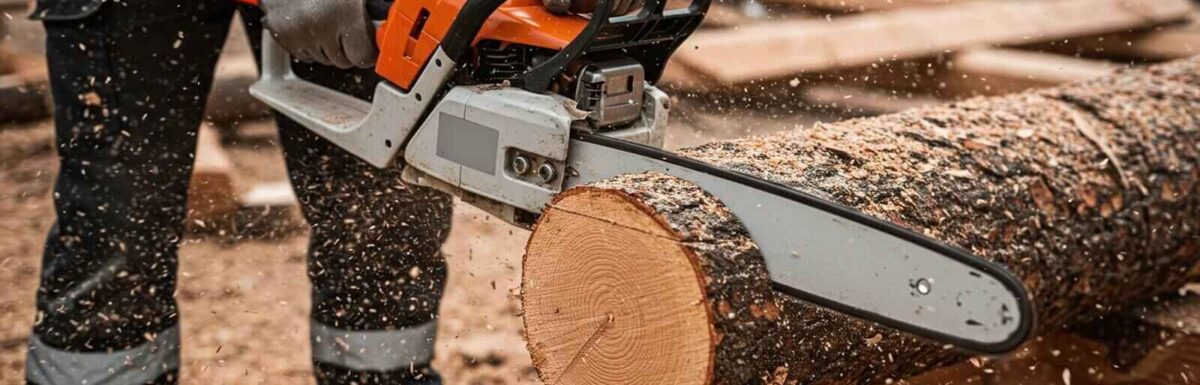
The forestry industry encompasses operations from timber harvesting and logging to reforestation, chipping, sawmills, and timber management. Each activity presents significant safety and financial risks.
For business owners across the forestry sector, proper forestry insurance is essential protection against potentially devastating liability claims that could threaten business survival.
Here’s what you need to know about the primary liability risks in forestry operations and the insurance options designed to protect against them.
Common Liability Risks in Forestry Operations
Beyond employee injuries, forestry work presents multiple liability exposures. Third-party claims are a significant concern for all forestry contractors.
Businesses face general liability risks when forestry activities result in bodily injury or property damage to individuals not affiliated with the company. Those property damage risks increase when work takes place near fences, power lines, buildings, and public areas adjacent to harvesting sites. A felled tree that damages a utility pole, debris that falls onto adjacent property, or fire suppression expenses incurred by others can all trigger costly claims.
Forest operations, as defined by the Centers for Disease Control and Prevention, include logging and other forestry activities, such as planting, thinning, fuel reduction, and wildland firefighting. According to the U.S. Bureau of Labor Statistics, the work-related fatality rate for logging workers alone was 98.9 per 100,000 full-time equivalent workers in 2023, the most recent year where data is available. This is more than 28 times higher than the rate for all occupations. These hazards affect not only workers but also visitors, contractors, and members of the public.
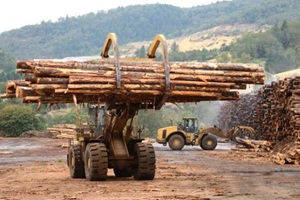
Equipment-related risks pose significant liability concerns. Heavy machinery, including skidders, feller bunchers, chippers, and log loaders, can cause substantial damage in the event of an accident. Transportation of timber and equipment on public roads introduces additional liability for vehicle-related property damage or injuries.
Essential Coverage: General Liability Insurance
General liability insurance forms the foundation of forestry insurance protection. This coverage safeguards businesses against claims for third-party bodily injury, property damage, and specific personal injuries resulting from business operations.
For forestry companies, general liability insurance usually includes coverage for legal defense expenses, settlements, and judgments in cases where the business is deemed liable. The majority of forestry operations have general liability insurance that provides $1 million for each incident and a total limit of $2 million. However, standard general liability policies may not cover all forestry-specific risks, which is where specialized endorsements become necessary.
Loggers Broad Form Property Damage Coverage
Loggers’ broad form coverage addresses exposures specific to timber harvesting and forestry operations. This specialized endorsement protects in situations that standard policies typically exclude:
- Fire Suppression Expenses: When forestry operations contribute to a wildfire, this coverage helps pay for firefighting costs incurred by government agencies or other parties.
- Property Damage to Timberland: This protection applies when activities damage forests or timber not owned by the insured, including accidental trespassing or overcut situations.
- Loading and Unloading Damage: This coverage extends to property damage that occurs while loading or unloading logs.
Many states and landowners require this specialized coverage before granting permits or contracts for forestry work. The endorsement provides limits typically ranging from $1 million to $2 million.
Commercial Auto and Inland Marine Coverage
Commercial auto insurance covers logging trucks, service vehicles, and other business-owned cars. This coverage includes liability for bodily injury and property damage resulting from company vehicles, along with protection for the vehicles themselves against physical damage.
According to the Insurance Information Institute, inland marine insurance covers material, products, or equipment that moves or is transportable. For forestry companies that move chainsaws, skidders, chippers, and other valuable equipment between job sites, inland marine coverage fills the gap that standard commercial property insurance leaves. This protection applies whether equipment is being transported, stored off-site, or actively used in remote locations.
Commercial Umbrella Insurance: Extra Protection
Even with solid underlying coverage, catastrophic claims can exceed standard policy limits. Commercial umbrella insurance provides extra liability coverage beyond the limits of standard policies.
As outlined by the Texas Department of Insurance, umbrella policy coverage usually starts around $300,000 and pays up to at least $1 million, though commercial policies typically offer higher limits. This coverage is triggered when claims surpass the limits of primary general liability, commercial auto, or employer’s liability policies, safeguarding against situations such as multi-vehicle collisions, significant property damage, and expensive lawsuits.
Choosing the Right Coverage
Selecting appropriate forestry insurance requires careful assessment of your specific operations and risk profile. Working with an insurance professional experienced in forestry operations guarantees coverage that addresses the full spectrum of liability risks your business could experience. Regular policy reviews are essential, as coverage needs shift when businesses grow, acquire new equipment, or expand into new geographic areas.
Protect Your Forestry Operation with Burton & Company
Forestry insurance demands specialized knowledge and access to carriers familiar with industry-specific risks. Burton & Company has served Virginia businesses for over 100 years, providing insurance solutions tailored to forestry contractors, logging operations, timber management companies, and related businesses.
Our team collaborates with you to create comprehensive protection packages. Whether you need general liability, loggers broad form, commercial auto, inland marine, or umbrella coverage, we’ll help you build the right combination for your operation.
Contact Burton & Company online or call (888) 652-1046 to discuss your forestry insurance needs. Our experienced agents will review your current coverage, identify potential gaps, and recommend solutions to protect your business, assets, and peace of mind.