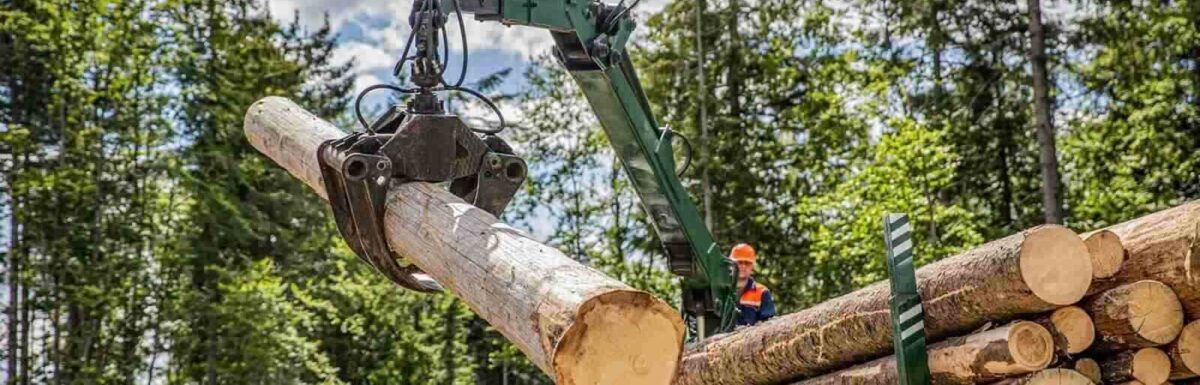
Operating a forestry business means facing risks that most other industries never encounter. Between unpredictable weather patterns, fire hazards, and operating expensive equipment in remote locations, forestry operations deal with challenges that can shut down operations overnight. The financial impact of these risks makes proper forestry insurance coverage more than just helpful, but necessary for long-term success.
Forestry insurance offers specialized protection tailored to the needs of the timber industry. Standard business policies often fall short when heavy machinery gets damaged miles from the nearest road, or when fire sweeps through standing timber. Forestry insurance protects against three significant risks: fire damage, storm-related losses, and equipment failures.
Fire Risk in Forestry Operations
Wildfires represent one of the most significant threats to forestry businesses today. Since 2000, an annual average of 70,025 wildfires have burned an annual average of 7.0 million acres. The financial toll extends beyond the immediate flames. Standing timber, equipment left on-site, and nearby facilities can all suffer catastrophic damage when fires strike.
Commercial property insurance covers facilities, equipment, and timber inventory when they are damaged by fire. This protection extends to both warehouse storage and field assets. Inland marine coverage, a specialized form of forestry equipment insurance, fills gaps by protecting mobile equipment even when it’s stationed at remote job sites where fires might occur.
Research shows that proactive forest management can reduce insurance costs associated with fire risk. A 2021 study by The Nature Conservancy and Willis Towers Watson found that ecological forestry practices, such as prescribed burns and forest thinning, led to decreases in total insurance premiums of 41% for homes and decreases for commercial property.
Storm Damage and Weather-Related Losses
Severe weather poses constant threats to forestry as related lightning strikes, high winds, flash floods, and ice storms can damage expensive equipment and halt operations for days or weeks. Unlike other businesses, forestry companies often leave valuable machinery exposed to the elements at job sites.
Commercial property insurance addresses storm damage to facilities and on-site equipment from various risks, including storms, vandalism, theft, burst pipes, explosions, and other dangers.
When severe thunderstorms move through timber country, lightning can strike exposed machinery, rendering it unusable. High winds topple trees onto equipment or storage facilities. Flash flooding washes away tools and materials. Because proper equipment coverage includes protection at remote locations, these claims process quickly, preventing contract penalties and keeping operations running.
Standard insurance policies typically cover losses from wildfires and storms, including the main dwelling, other structures such as sheds or fences, personal property, and additional living expenses if the home becomes uninhabitable. For forestry businesses, similar comprehensive protection extends to commercial operations as well.
Equipment Loss and Breakdown Coverage
Forestry equipment represents a massive capital investment. Skidders, loaders, chippers, chainsaws, and portable sawmills often cost six figures or more. When this machinery breaks down or suffers damage, operations stop, contracts go unfulfilled, and revenue disappears.
Inland marine insurance provides specialized coverage for forestry equipment. This coverage applies when equipment is in transit or stored outside the main business location, addressing the gaps that traditional property insurance often leaves, as it typically only protects assets within a restricted geographic area.
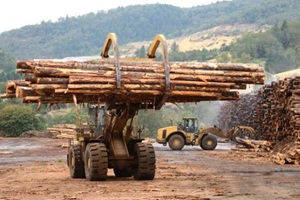
This protection covers equipment for various causes of loss, including fire and lightning damage, theft at remote locations, vandalism during storage, physical damage during transport, and collision accidents.
The mobile nature of forestry work makes this coverage particularly valuable, as equipment frequently moves between job sites and operates in areas where traditional property policies provide no protection.
Equipment breakdown coverage goes beyond physical damage. Many policies include provisions for downtime costs, helping offset lost revenue while machinery undergoes repairs. Some policies even cover rental reimbursement for temporary replacement equipment, allowing operations to continue while permanent repairs happen.
Protect Your Forestry Business with Burton & Company
Forestry insurance protects your business from the unexpected risks that come with working in timber country. Fire, storms, and equipment failures can devastate operations that lack proper coverage, but the right insurance transforms these threats from business-ending catastrophes into manageable claims.
Burton & Company has provided insurance solutions to Virginia businesses for over 100 years. Our agents understand the forestry industry’s challenges and work with you to develop protection strategies that match your specific operations and risk profile.
Don’t wait for a disaster to reveal any gaps in your coverage. Call Burton & Company at (888) 652-1325 or request a quote online to discuss forestry insurance options.