

Forestry insurance isn’t one-size-fits-all: it should be tailored to the business it covers and should address everything from heavy equipment and timber transport to environmental liability. Selecting the right forestry insurance partner requires careful thought about your operation’s exposures, the provider’s experience, and how well their coverage aligns with your business needs.
Here is what to consider when choosing a forestry insurance provider and how a qualified partner can help safeguard your Virginia operation.
1. Dangers of Forestry Operations
Forestry and logging rank among the most dangerous professions in the United States. In 2022, logging workers experienced a fatal work-injury rate of about 100 per 100,000 full-time employees, over 27 times higher than other occupations.

The Bureau of Labor Statistics also reports an injury and illness rate of 3 cases per 100 full-time workers in the agriculture, forestry, fishing, and hunting sector.
Common risks include equipment rollovers, tree strikes, cargo losses, wildfire exposure, and accidents in remote worksites. These dangers highlight the need for specialized coverage from an insurer who understands the forestry industry.
2. What Qualifies as Good Coverage
A general business policy rarely offers enough protection for a forestry operation. Your provider should deliver coverage that reflects your daily activities and the value of your assets.
Essential protections may include workers’ compensation designed for logging and hauling crews, general liability for damage caused by falling trees or machinery, and commercial auto coverage for trucks transporting logs and timber. Inland marine or equipment policies help protect mobile machinery, while property coverage might include sawmills or storage sites.
For certain landowners, standing timber insurance may also be worth exploring. Research indicates that timber insurance premiums vary widely and may only make sense in specific cases.
Wildfire and weather events are another concern. A study on forest risk management discovered that natural hazards such as wind, fire, drought, and insects affect forest value and therefore insurance responses.
Before finalizing a policy, make sure you understand what’s excluded, how losses are valued, and how claims are handled for remote or large-scale incidents.
3. Industry Expertise and Reliable Support
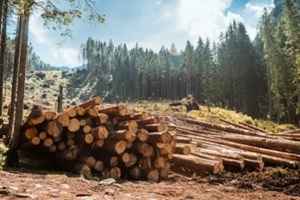
Providers that specialize in forestry insurance typically offer more informed underwriting and better guidance on risk management. Based on industry-specific statistics and insight, they can also provide proactive support, including loss-control inspections, safety training, and wildfire-prevention recommendations.
Beyond expertise, pay attention to the company’s responsiveness and transparency. Reliable claims handling and open communication are essential, especially in rural or high-risk areas.
4. Financial Stability and Policy Strength
Forestry businesses depend on expensive, specialized equipment and significant land assets, so financial strength should factor when selecting an insurer. A provider’s capacity to handle substantial claims is equally as important as the specifics of the policy.
Review the insurer’s credit ratings and its track record with commercial claims. Carefully examine the policy limits and ensure that your coverage corresponds to the replacement cost of your equipment and timber assets. Deductibles, sub-limits, and exclusions can significantly affect the level of protection you actually have.
For standing timber coverages or site exposures, inspect how valuations are calculated (net present value, realization value, cost approach) and whether the insurer accepts your forestry appraisals.
5. Regulatory and Environmental Awareness
Forestry operations in Virginia must comply with environmental regulations, from sediment control to fire management. Working with an insurer who understands state and federal forestry requirements can help keep you compliant and reduce costly penalties.
A knowledgeable provider should ask about your forest management plan, species composition, and silvicultural practices. These details not only affect underwriting but can also influence how you’re rated for wildfire and storm exposure.
Insurers who recognize the value of proactive management, such as thinning, equipment maintenance, and fuel reduction, demonstrate a better understanding of real-world forestry operations.
Make the Right Choice for Your Virginia Forestry Business
Selecting the right forestry insurance provider is an investment in resilience for your business. By focusing on expertise, coverage detail, and financial reliability, you can protect your company against both predictable and unexpected losses.
When evaluating your options, look for a provider who offers:
- Experience with forestry and logging operations
- Transparent coverage and claims handling
- A focus on safety and environmental responsibility
- Strong financial ratings and accessible customer service
These factors will help you secure protection that genuinely fits your operation’s needs.
Protect Your Forestry Operation with Burton & Company
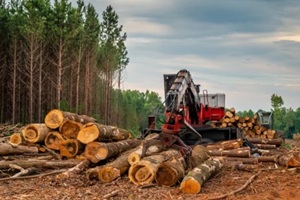
At Burton & Company, we bring more than 100 years of experience helping businesses in Virginia manage risk, secure coverage, and focus on what matters most.
We provide coverage that aligns with your operations, budget, and future planning. Our friendly, service-oriented team is ready to help your forestry business review exposures, compare provider options, and craft a protection strategy that fits your needs.
Discuss forestry insurance for your Virginia business with Burton & Company online or call (888) 652-1046 to schedule a consultation.